Online skin consultations across Canada for CA$175.

Acne

How to clear acne fast: six steps that are backed by evidence

Six evidence-based steps to improve acne: a gentle routine, benzoyl peroxide, a retinoid, no picking, prescription options and patience.

By
Eileen Wang, MD
Medically reviewed by
Eileen Wang, MD
Published
2026-11-05
Updated
2026-11-05

Everyone wants clear skin fast. The honest truth is that acne treatments take weeks to work. No cream clears acne overnight. But some steps work better than others, and a good plan can save you months of trial and error.

These six steps have the best support in research and in clinical practice.

1. Keep your routine gentle

Harsh scrubbing does not clear acne. It irritates the skin and can make breakouts worse.

  • Wash your face twice a day with a mild, fragrance-free cleanser and lukewarm water.
  • Pat your skin dry. Do not rub.
  • Use an oil-free moisturizer. Dry, irritated skin does not tolerate acne treatments well.
  • Use a daily sunscreen labelled "non-comedogenic". Many acne treatments make skin more sensitive to the sun.

Wash after heavy sweating, but do not over-wash. More than twice a day tends to dry the skin.

2. Add benzoyl peroxide

Benzoyl peroxide kills the bacteria that feed acne and helps unclog pores. It is sold over the counter in Canada in several strengths.

  • Start with a low strength and use it once a day. Build up if your skin tolerates it.
  • Apply a thin layer to the whole area that breaks out, not only to single spots.
  • It can bleach towels, pillowcases and hair. Use white linens.
  • Mild dryness and redness are common at first.
3. Use a retinoid

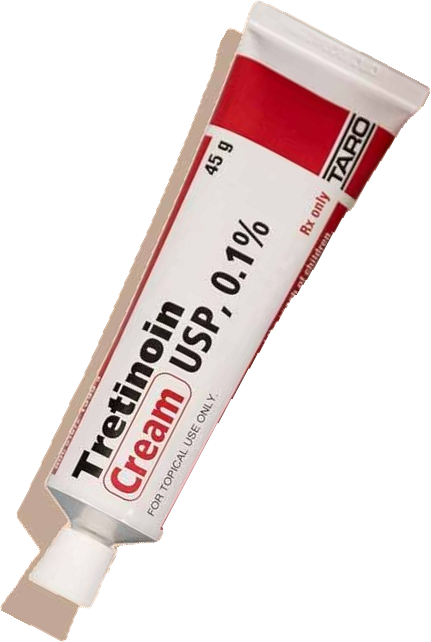
A topical retinoid is one of the most useful treatments for acne. It speeds up skin renewal and prevents clogged pores from forming. Adapalene is available over the counter in Canada. Tretinoin needs a prescription.

  • Apply a pea-sized amount to the whole face at night, on dry skin.
  • Start every second or third night, and increase as your skin allows.
  • Expect some dryness and a possible "purge" in the first weeks.
  • Do not use a retinoid if you are pregnant or planning a pregnancy, unless your clinician says otherwise.

4. Do not pick or squeeze

Picking spreads bacteria, deepens inflammation, and raises the risk of dark marks and scars. A pimple you leave alone heals faster than one you squeeze.

If a spot is very bothersome, a small hydrocolloid patch can cover it and keep your hands off. Avoid heavy makeup over active spots, and clean your phone and pillowcase often.

5. See a clinician for prescription options

Over-the-counter products are a good start, but they have limits. Consider seeing a clinician if:

  • you have used them for 8 to 12 weeks without a clear change;
  • your acne is deep, painful or leaves scars;
  • acne is affecting your mood or your confidence.

Prescription options may include stronger topical retinoids, combination creams, oral antibiotics for a short time, hormonal treatments for some women, and oral isotretinoin for severe or scarring acne. Your clinician picks the plan that fits your skin, health and goals.

6. Be patient and consistent

This is the hardest step and the most important. Most treatments need 8 to 12 weeks to show their full effect. Skin can look worse before it looks better.

  • Use your treatment every day, as directed.
  • Change one thing at a time, so you can tell what works.
  • Take a photo in the same light every two weeks. Small gains are hard to see in the mirror.
  • Do not stop early because you do not see results in a week.

Things that do not help

  • Toothpaste, lemon juice and other home remedies. They irritate skin.
  • Many products at once. More is not better.
  • Skipping moisturizer because you have oily skin.
  • Strict diets without advice. Some people notice links with certain foods, but the research is mixed.

Coverage and cost

Over-the-counter products are usually not covered by drug plans. Prescription treatments may be covered in part by your provincial drug plan or private plan.

When to message your clinician

Message your Care Team if:

  • your acne is deep, painful or leaves scars or dark marks;
  • you see no change after 8 to 12 weeks of steady use;
  • your skin burns, swells, blisters or peels a lot;
  • acne appeared suddenly, along with other changes such as irregular periods or extra hair growth;
  • your breakouts affect your mood, sleep or daily life;
  • you are pregnant, planning a pregnancy or breastfeeding, and you use an acne product.

Your clinician can adjust your plan and guide you to the next step.

This article is general information. It does not replace advice from your clinician. In an emergency, call 911.

Treatments in this article

Your clinician decides which treatment fits you.

Three smiling women apply cream to their faces

Where clear skin begins.

Start my assessment
Start my assessment