Online skin consultations across Canada for CA$175.

Acne

Cold and flu medicine while on isotretinoin: what to check

Which ingredients in cold and flu products to check when you take isotretinoin (Accutane): acetaminophen, decongestants, antihistamines and alcohol.

By
Eileen Wang, MD
Medically reviewed by
Eileen Wang, MD
Published
2026-11-05
Updated
2026-11-05

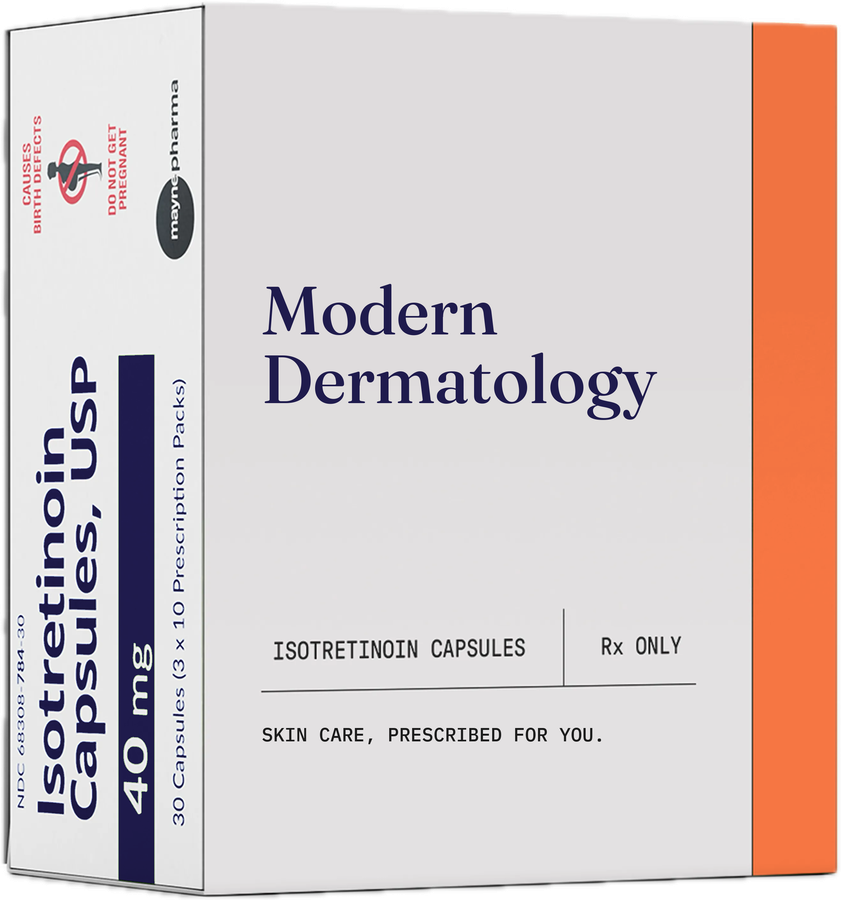
Colds happen. If you take isotretinoin (Accutane, Clarus, Epuris), a trip to the pharmacy aisle needs a little more thought. Most cold products are fine for most people. A few ingredients deserve a check first.

Read the label, not the brand. Many "multi-symptom" products hold three or four active ingredients at once.

Why isotretinoin changes the picture

Isotretinoin dries your skin, lips, eyes and nose. It can also affect your liver and your blood fats. Some cold products add to these effects. Others are simply less comfortable when your body is already dry.

Acetaminophen and your liver

Acetaminophen treats fever and aches. It is processed by the liver, and isotretinoin can raise liver enzymes in some people. Taking both is common and is often fine at normal doses. Stay within the dose on the package.

Check every product you use. Acetaminophen is hidden in many cold and flu mixes. It is easy to take it twice by mistake.

If you have had abnormal liver tests, tell your pharmacist before you buy anything with acetaminophen.

Decongestants such as pseudoephedrine

Pseudoephedrine and similar decongestants open a stuffy nose. They can also raise your heart rate and blood pressure, cause trouble sleeping, and dry your nose and mouth further.

  • If you have high blood pressure, a heart condition or a thyroid problem, ask your pharmacist first.
  • A saline spray or a humidifier can help with congestion and adds moisture instead of removing it.
  • In Canada, products with pseudoephedrine are kept behind the pharmacy counter. Ask the pharmacist, who can check them with you.

Antihistamines that dry your skin

Older antihistamines can cause drowsiness and dry mouth, eyes and skin. Many "night-time" cold formulas contain them. On isotretinoin, this extra dryness can make chapped lips and sore eyes worse.

If you need an antihistamine, ask your pharmacist about options that cause less dryness and less drowsiness.

Alcohol in liquid formulas

Some liquid syrups contain alcohol. Alcohol puts extra load on your liver, and isotretinoin already does that. Look for "alcohol-free" on the label, or ask for a different form such as tablets.

Do not drink alcohol while you take a cold remedy that causes drowsiness.

Other products to avoid or ask about

  • Vitamin A supplements. Do not take extra vitamin A. Some cold and immune "boost" products contain it, and so do many multivitamins.
  • Herbal remedies. Ask first. Some can affect the liver.
  • Antibiotics for a cold. A cold is caused by a virus. Antibiotics do not help it. Some antibiotics, such as tetracyclines, should not be combined with isotretinoin. Tell any prescriber that you take isotretinoin.
  • Throat lozenges and cough drops. These are usually fine. Check for added ingredients.

When to ask the pharmacist

A pharmacist is a good, free resource. Ask when:

  • you want to use a product with more than one active ingredient;
  • you are not sure that an ingredient is safe with isotretinoin;
  • you take other medicines, such as birth control, blood pressure pills or supplements;
  • a child, an older adult or someone who is pregnant needs medicine.

Say the name of your medicine up front: "I take isotretinoin for acne." The pharmacist can then check your whole list.

Comfort tips that add no risk

  • Drink plenty of water.
  • Rest.
  • Use a saline nasal spray or a cool-mist humidifier.
  • Keep using lip balm and a plain moisturizer.
  • Use preservative-free eye drops if your eyes feel dry. Ask your pharmacist.

When to message your clinician

Message your Care Team if:

  • your fever lasts more than a few days or is very high;
  • your skin or eyes turn yellow, or your urine turns dark;
  • you have severe stomach pain, nausea that does not stop, or a very bad headache;
  • you were told to take an antibiotic and you are not sure it is safe with isotretinoin;
  • you are pregnant or think you might be. Stop isotretinoin and contact your clinician right away.

Call 911 or go to emergency if you have trouble breathing, chest pain or a fainting spell.

This article is general information. It does not replace advice from your clinician. In an emergency, call 911.

Treatments in this article

Your clinician decides which treatment fits you.

Three smiling women apply cream to their faces

Where clear skin begins.

Start my assessment
Start my assessment